
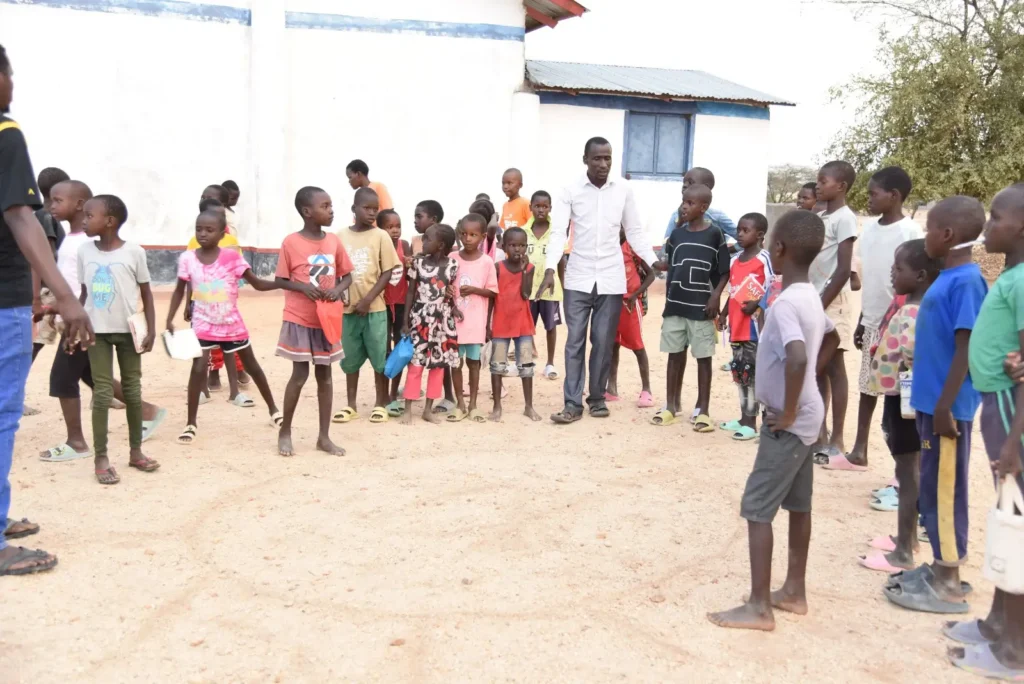
In Turkana County, thousands of children attend school irregularly, and many more are entirely out of school. Even for those enrolled, learning outcomes remain critically low. Foundational literacy and numeracy gaps often emerge in the early grades and, once entrenched, push children out of the education system altogether. Primary school enrollment remains far below national averages, attendance is highly irregular, and foundational literacy levels are alarmingly low. Poverty, long distances to schools, mobility linked to pastoralist livelihoods, and chronic teacher shortages compound the problem.
For many children, schooling has become synonymous with repeated failure. Over time, this leads to disengagement, absenteeism, and eventual dropout.In response to this challenge, Education Empowerment for Rural and Urban Slums Initiative (EERUi) has officially launched a pilot Foundational Literacy and Numeracy (FLN) program in Turkana, integrating accelerated learning recovery with structured sport-based engagement to boost attendance.
This pilot marks an important step in testing a community-anchored approach designed specifically for pastoralist and hard-to-reach contexts where conventional school-based interventions struggle to reach and retain learners.
The Turkana FLN pilot combines three critical elements:
1. Accelerated, level-appropriate learning
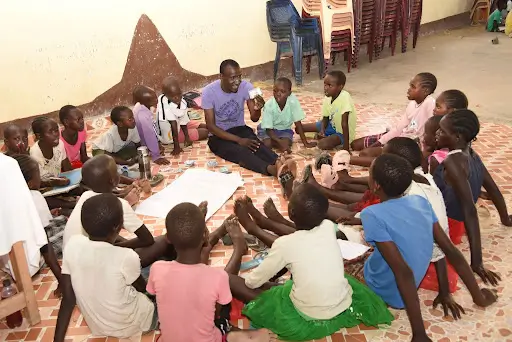
Children are assessed and grouped according to actual learning level rather than age or grade. Trained community teachers deliver targeted literacy and numeracy instruction focused on rebuilding core skills quickly and confidently.
2. Community teacher model – Rather than relying on externally deployed teachers, the program recruits and trains local graduates from within the settlements. This strengthens trust, improves attendance, and ensures continuity in contexts where formal teacher deployment is limited.
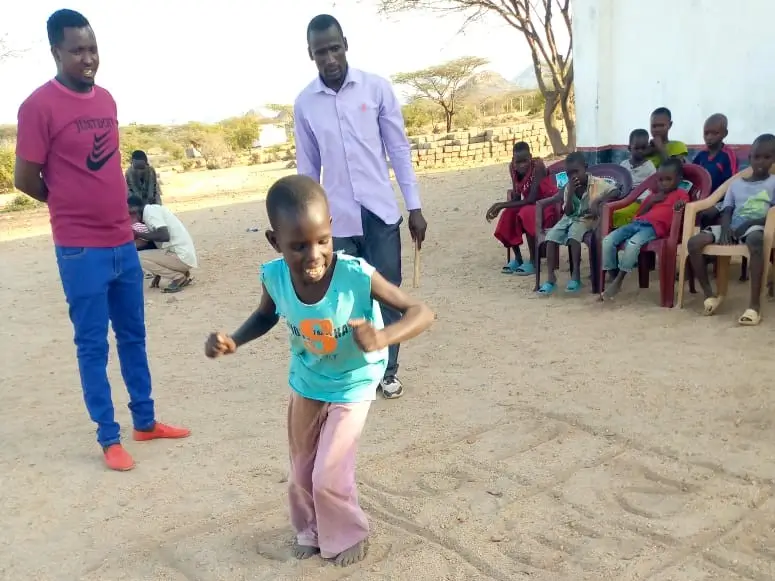
3. Sport as a re-engagement tool – Football and structured play are intentionally integrated into learning sessions — not as extracurricular activities, but as mechanisms for motivation, attendance, and retention. For children who associate schooling with failure, sport helps reduce anxiety, rebuild confidence, and restore a sense of belonging.
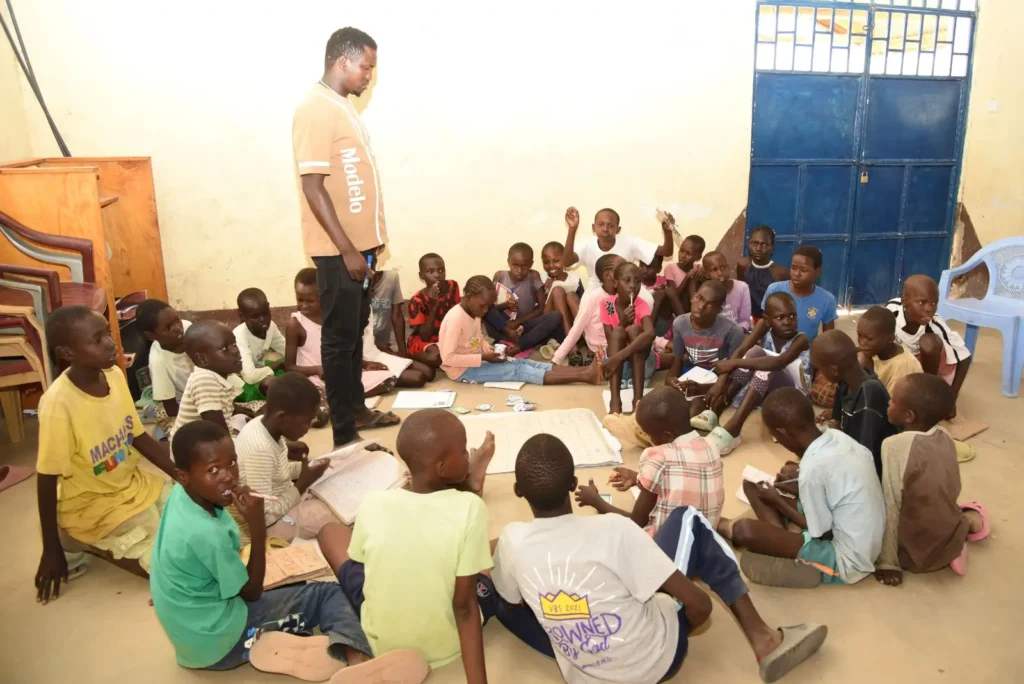
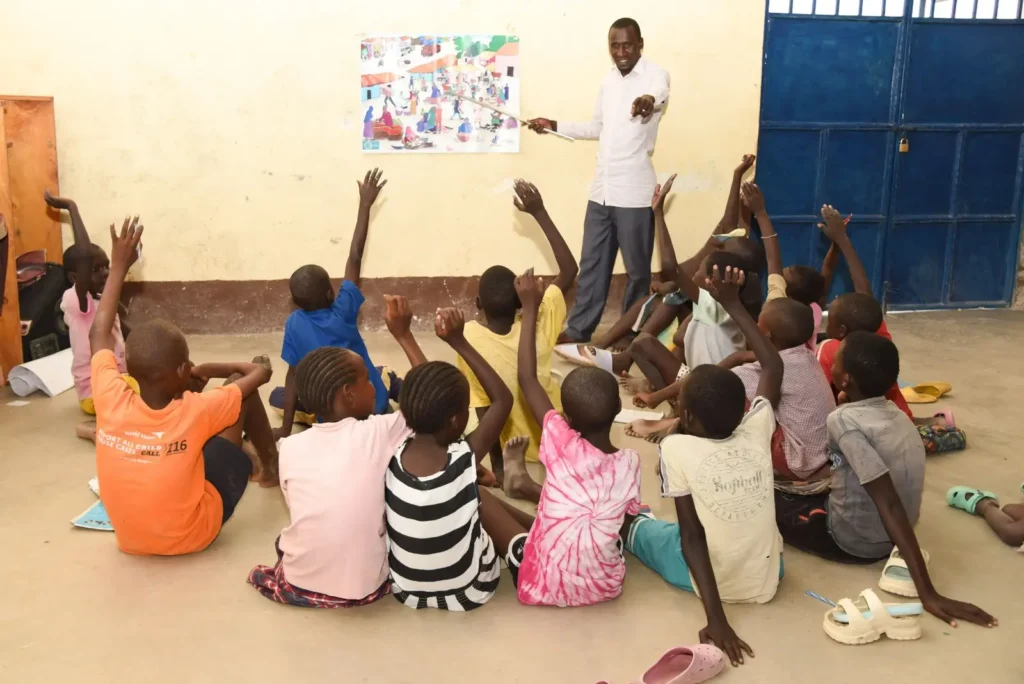
Since launch, the pilot has reached children who had been out of school or attending irregularly, many of whom had not mastered basic reading skills. Early observations show:
Improved attendance and consistency at learning sessionsStronger engagement from parents and community leadersCommunity teachers are already using assessment data to adapt instruction and track learner progress, laying the groundwork for structured learning recovery and future re-enrolment into formal schools.
The pilot is not designed to replace formal schooling. Instead, it functions as a bridge.
EERUi is working closely with nearby primary schools, village leadership, and parents to ensure that children who regain foundational skills are supported to return to school and remain there. Football-based activities are also being used to support retention during the transition period, reinforcing attendance and peer connection.
Over the coming months, EERUi will continue to refine the model through structured assessment cycles, teacher coaching, and community feedback. Evidence generated from this pilot will inform future scale-up across additional settlements in Turkana and similar contexts.
We are grateful to the community teachers, village leaders, parents, and children who are making this work possible — and we look forward to sharing lessons as the pilot progresses
